About Cocamidopropyl Betaine (CAPB)
CAPB stands for
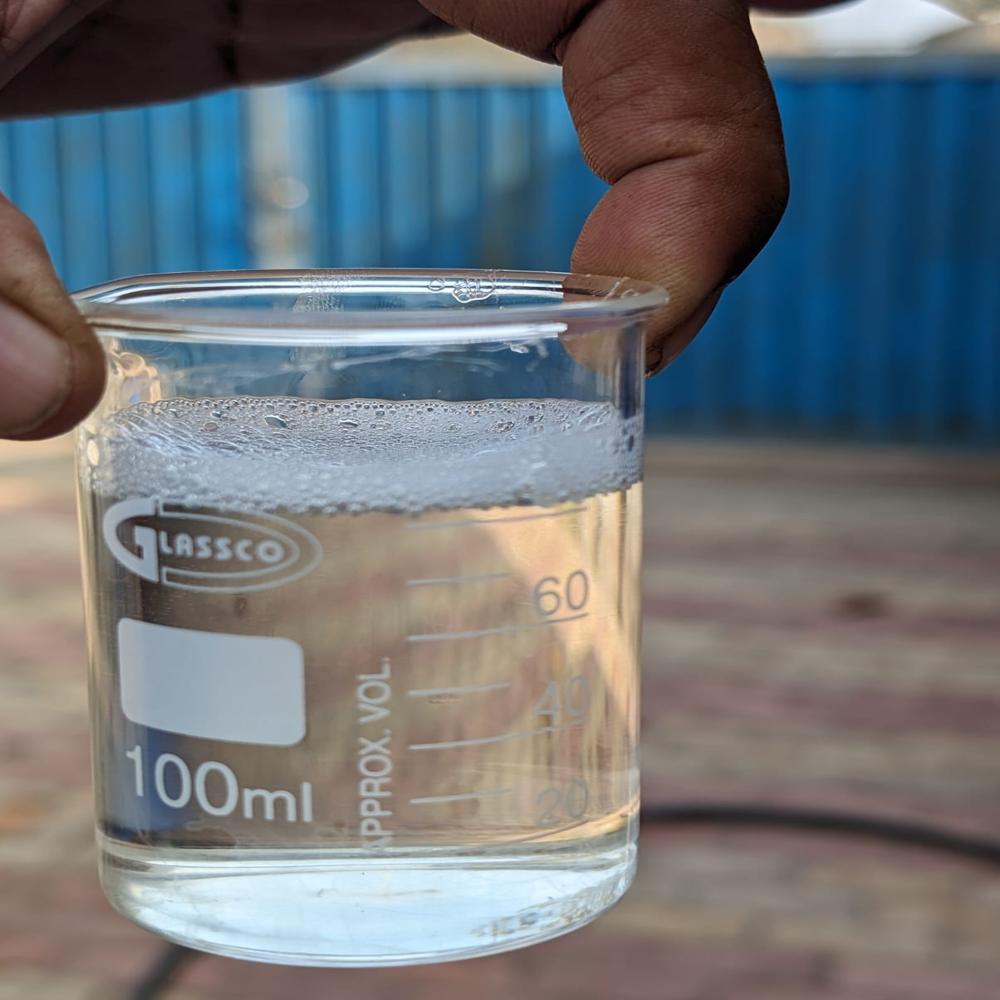
Cocamidopropyl Betaine, a mild, water-soluble surfactant derived from raw coconut oil. It is widely used in personal care products to generate foam and improve viscosity. [
1,
2,
3,
4,
5]
Core Functions
- Foam Booster: Creates rich, stable lather in cleansing products.
- Secondary Surfactant: Blends with harsher cleansers to lower skin irritation.
- Thickener: Increases the viscosity of liquid soaps and shampoos.
- Antistatic Agent: Reduces static electricity in hair care formulations.
Versatile ApplicationsCocamidopropyl Betaine is widely used as a surfactant, foam booster, and mild cleanser in a variety of products such as shampoos, liquid soaps, bubble baths, and dishwashing detergents. Due to its amphoteric nature, it blends seamlessly with anionic, cationic, and nonionic surfactants, enhancing product performance across personal care and industrial cleaning formulations.
Sustainability and SafetySourced from coconut oil derivatives, CAPB is readily biodegradable and non-toxic under recommended uses. It poses minimal risk to aquatic environments and complies with industry standards, making it a responsible choice for environmentally conscious brands. Proper storage in a cool, dry place extends its shelf life up to 24 months, ensuring both safety and efficacy.
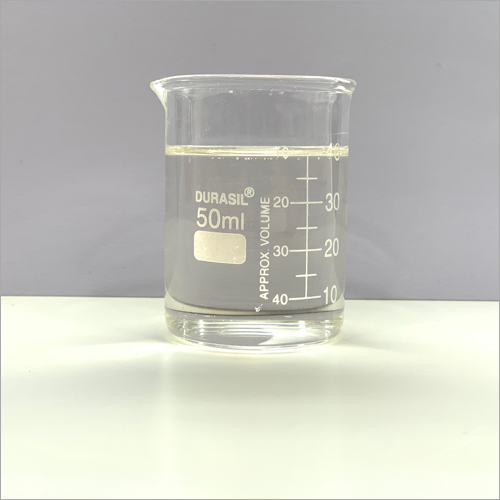
Quality and HandlingAvailable in 50 kg or 200 kg HDPE drums or IBCs, CAPB is a clear to yellowish viscous liquid with a mild odor. Its stable properties at room temperature and easy solubility in water simplify both manufacturing and end use. The product should be handled using standard practice, ensuring containers remain tightly closed to maintain quality.
FAQ's of Cocamidopropyl Betaine (CAPB):
Q: How is Cocamidopropyl Betaine (CAPB) typically used in product formulations?
A: Cocamidopropyl Betaine functions as a surfactant, foam booster, and mild cleanser in shampoos, liquid soaps, bubble baths, dishwashing detergents, and other cleansing products. Its compatibility with various surfactants makes it suitable for a wide range of cosmetic and home care applications.
Q: What are the main benefits of using Cocamidopropyl Betaine in formulations?
A: CAPB offers mild, gentle cleansing and effective foaming, enhancing user experience in personal care products. Additionally, it is readily biodegradable, non-toxic, and non-hazardous to aquatic life, supporting eco-friendly product development.
Q: When should Cocamidopropyl Betaine be added during the manufacturing process?
A: It is best to incorporate CAPB during the aqueous phase of formulation, ensuring it is well mixed with other surfactants to optimize its foam-boosting and cleansing properties. Its broad compatibility allows it to blend effectively with anionic, cationic, and nonionic ingredients.
Q: Where should Cocamidopropyl Betaine be stored for optimal stability?
A: For maximal shelf life and quality retention, CAPB should be stored in a tightly sealed container in a cool, dry environment, away from direct sunlight. Proper storage conditions help preserve its clarity, viscosity, and mild odor.
Q: What is the shelf life of Cocamidopropyl Betaine and how is it packaged?
A: When stored correctly, CAPB maintains its stability and performance for 12 to 24 months from the date of manufacture. It is typically supplied in 50 kg or 200 kg HDPE drums or IBCs to facilitate safe handling and transport.
Q: How does Cocamidopropyl Betaine benefit the environment compared to other surfactants?
A: Derived from coconut oil and being readily biodegradable, CAPB poses a low environmental risk. It is non-toxic and classified as non-hazardous to aquatic organisms, aligning with sustainable and responsible product development ideals.





 Send Inquiry


 Send Inquiry