About Coco diethanolamide (CDEA)
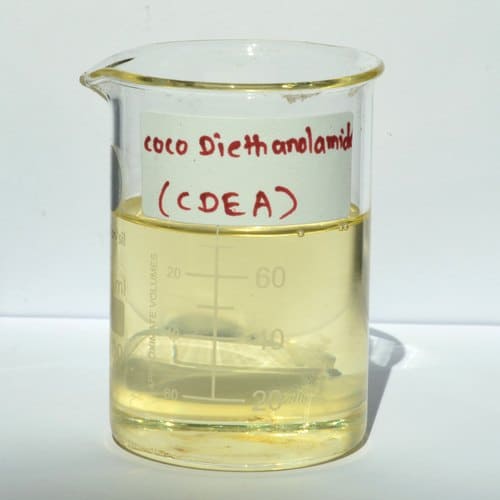
Coco diethanolamide (CDEA), also known as cocamide DEA, is a non-ionic surfactant synthesized from coconut oil fatty acids and diethanolamine. Widely used in cosmetics, personal care, and household items, it acts as a premier foam booster, stabilizer, and thickening agent in products like shampoos, body washes, and liquid hand soaps
What is Coco Diethanolamide (CDEA)?Coco diethanolamide is a surfactant derived from coconut oil and used primarily in soaps, detergents, and personal care formulations. It offers multifunctional benefits such as foam enhancement, thickening, and emulsification, making it indispensable across different industries. Its ability to stabilize products and impart skin-conditioning properties contributes to improved product feel and effectiveness.
Versatile Applications Across IndustriesCDEA is widely used not only in household and personal care products like liquid soaps and bubble baths but also in industrial sectors, including textiles, plastics, and metal processing. Its ability to stabilize formulations and adjust product consistency lends critical performance advantages in manufacturing, processing, and product quality improvement.
Enhance Product Performance with CDEAThe addition of CDEA to formulations helps prevent lather collapse in soaps and ensures a luxurious texture in bath products. In liquid detergents and cleansers, it increases viscosity and prevents ingredient separation through emulsification. Its emollient nature also helps maintain moisture levels, delivering a more pleasant user experience.
FAQ's of Coco diethanolamide (CDEA):
Q: How does Coco diethanolamide improve foam in soaps and detergents?
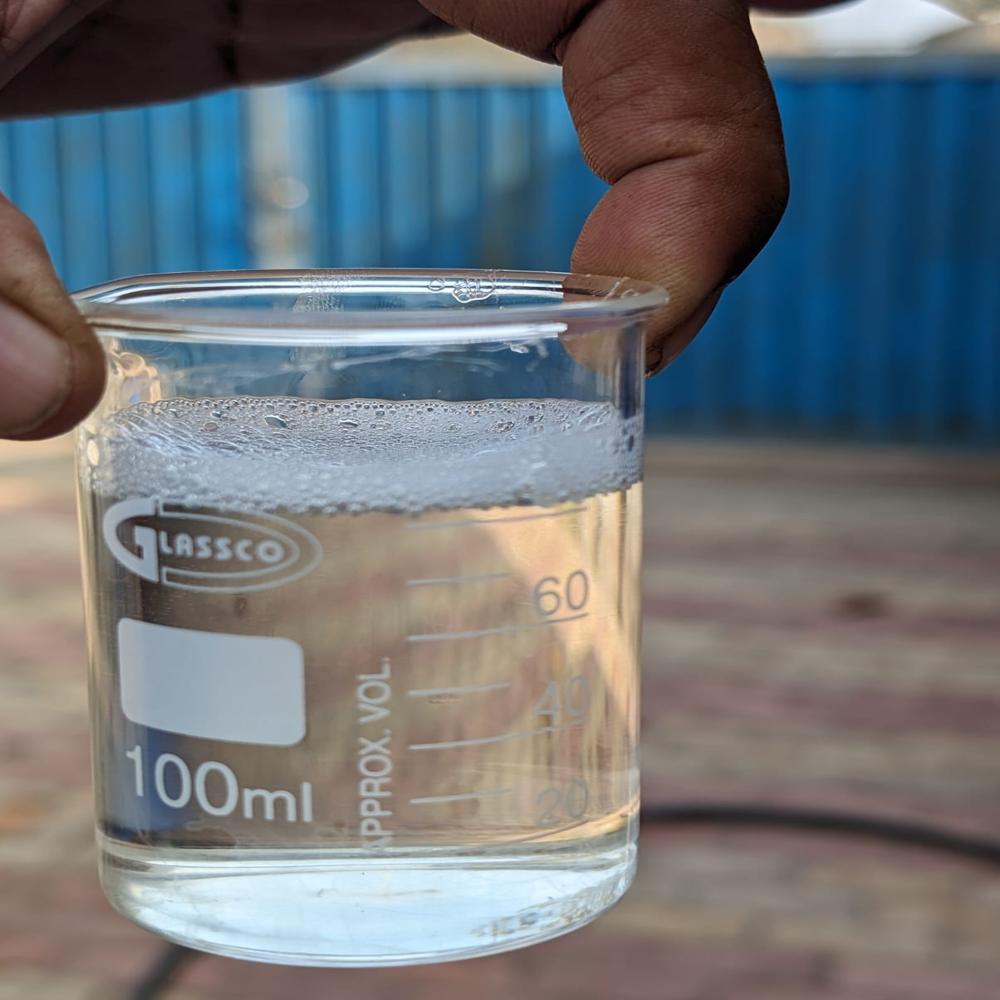
A: CDEA acts as a foam stabilizer, preventing the lather in soaps and bubble baths from collapsing quickly. This results in a longer-lasting, rich, and creamy texture that enhances the cleaning and user experience.
Q: What are the primary benefits of using CDEA in industrial and textile applications?
A: In industrial and textile processes, CDEA improves viscosity and emulsion stability, which is crucial for achieving uniform product textures. It also helps to keep ingredients properly mixed and enhances the overall effectiveness of cleaning and treatment operations.
Q: When should CDEA be incorporated into detergent and cleanser formulations?
A: CDEA is typically added during the formulation or blending stage, after primary surfactants have been mixed. It helps build viscosity, stabilize foam, and improve the final product's feel and performance.
Q: Where can CDEA be applied within the manufacturing process?
A: CDEA can be used in a variety of manufacturing environments, including those producing personal care, household cleaning, textile, metal, and plastic products. Its versatility allows it to be seamlessly integrated into both small-scale and industrial-scale operations.
Q: What is the process for using CDEA as an emulsifier?
A: To use CDEA as an emulsifier, it is combined with oil and water phases during product formulation. Its chemical properties help blend these ingredients, preventing separation and ensuring a consistent mixture throughout the shelf life of the product.
Q: How does CDEA benefit skin in cleansing products?
A: CDEA provides emollient, skin-conditioning effects that offset the drying impact of primary surfactants, leaving skin feeling softer and less irritated after use.







 Send Inquiry


 Send Inquiry